Kawaii Style Sewing Machine Embroidery Review
A Cheerful Design That Instantly Lifts Any Fabric Project
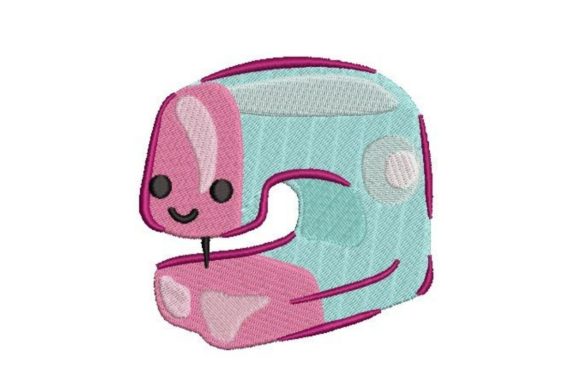
When I first loaded the Kawaii Style Sewing Machine design into my embroidery software, I smiled. That’s exactly what this design does – it creates instant warmth. The soft rounded shapes, the delicate pastel-friendly layout, and the playful personality of a miniature sewing machine drawn in that unmistakable kawaii style all work together. It feels less like a technical embroidery file and more like a tiny piece of joy waiting to be stitched onto a finished product.
As a designer who regularly prepares handmade items for markets and client orders, I evaluate every machine embroidery design through a practical lens. Will this look as charming after 8,000 stitches as it does on screen? Does it hold its character on textured fabric or a well-washed tote? These are the questions that guide a real project decision. And after stitching out the Kawaii Style Sewing Machine on several different base materials, I have a very clear picture of where this digital embroidery file shines and where you need a little extra caution.
First Impressions: Tiny Machine, Big Personality
Opening the files, I immediately saw a design that leans fully into its theme without overcomplicating details. The sewing machine silhouette includes sweet rounded corners, a bobbin winder that almost looks like a little button, and a needle area softened with curves rather than mechanical precision. The kawaii aesthetic is consistent. There’s no awkward attempt at realism that might get lost in thread; instead, the design relies on shape language to communicate character.
I knew right away this would work beautifully for products targeting a younger or whimsical demographic – baby embroidery, nursery decor, children’s apparel, or even playful kitchen textiles. But beyond that, it carries enough charm to appeal to anyone who sews. Embroidering a miniature sewing machine onto a project bag or a seamster’s apron creates an inside joke that fellow makers instantly recognize. That kind of connection adds real value to a craft business product.
A Real Test: The Craft Fair Tote Bag
To understand how the Kawaii Style Sewing Machine behaves under genuine production conditions, I designed a simple custom tote bag. I chose a medium-weight natural cotton canvas – the kind many Etsy sellers use for embroidered tote bag design projects. My plan was a single-colour version in a pale turquoise thread, placed off-center on the front panel, as part of a small collection for a local handmade market.
Before committing the final bag, I did a test stitch on a scrap of the same canvas. The design’s satin stitch borders were smooth, and the fill stitch inside the machine body had even coverage. The running stitch details – little decorative dots around the handwheel, a tiny heart shape on the arm – read clearly. I used a medium-weight cutaway stabilizer, which is my go-to for canvas, and I adjusted the stitch density slightly in my machine’s settings to prevent the design from becoming stiff. The result was a soft, touchable motif that kept its shape even when I folded the fabric multiple times.
After washing the tote once to simulate real use, the thread colours held, the satin stitch didn’t distort, and the kawaii style remained crisp. That’s the kind of outcome that builds buyer engagement. When a customer picks up a handmade product and sees that the embroidery design still looks pristine, trust grows immediately.
Where the Design Truly Belongs
The Kawaii Style Sewing Machine feels most at home on flat, stable fabrics. I had excellent results on quilting cotton, linen blends, poplin, and denim. For apparel, it works wonderfully on sweatshirt embroidery placements – think a small version on the chest or a larger one centered on the back. The cheerful nature makes it a natural choice for personalized gifts, especially for sewing enthusiasts, craft-loving friends, or as a holiday embroidery surprise tucked inside a stocking.
Baby clothes are another sweet spot. A monochrome version stitched onto a tiny romper or a soft blanket edge creates a delicate, heartfelt detail without overpowering the garment. Because the design avoids dense stitching in non-critical areas, it doesn’t make the fabric overly rigid, which is essential on delicate baby embroidery products.
For those who sell digital embroidery files or printable mockups, this design offers excellent presentation value. The silhouette is so recognizable that even in a black-and-white mockup preview, the theme comes through strongly. I tested it in my mockup template library – placing the design on a virtual cap, a flat pillow cover, and an apron – and each time it looked intentional and commercially viable. It’s a smart addition to a collection of design assets aimed at creative entrepreneurs.
Layering, Think Twice, and Handling Tricky Surfaces
As much as I enjoyed stitching this out, no design is perfect for everything. The Kawaii Style Sewing Machine demands careful thought on highly textured fabrics, thick pile, or extremely stretchy knit. The fine running stitch lines that define details like the needle bar can get lost in terry cloth or fleece. On a dark background, if your thread colour contrast is not strong enough, the delicate facial features implied by the shapes may blur together. I strongly recommend testing on scrap fabric before tackling your final garment.
Small hoop sizes will also require attention. If you try to shrink the design beyond its intended dimensions without proper digitizing adjustments, those charming curved edges can lose their smoothness. I did not attempt to stitch it below a 4x4 inch hoop, and I would caution anyone with very compact machine setups to confirm the file’s scaling recommendations. For cap embroidery, the curved surface distorts the machine’s horizontal plane slightly, so a placement on the side rather than the front band often reads better. Trial one on an old cap first – you’ll see how the satin stitch settles and whether extra underlay is needed.
On thin or loosely woven fabrics, such as a lightweight tea towel, stabilizer choice becomes critical. I used a wash-away topping in addition to a tear-away backing to keep the delicate stitching from sinking. The extra step is worth it. A poorly supported design risks puckering, which instantly downgrades the perceived professionalism of an embroidered patch or a boutique-style apron. When in doubt, test on a similar fabric swatch.
The Business Angle: Sellable, Giftable, Memorable
From a commercial embroidery standpoint, the Kawaii Style Sewing Machine checks multiple boxes. It’s a design with built-in audience appeal. Anyone who sews will pause at a product featuring this motif. For small shop products, that recognition factor can shorten the buying decision. I’ve seen similar themes do incredibly well on Etsy listings that combine cute imagery with practical items – think kitchen towels for a sewing room, project pouches, or personalized aprons for craft fair vendors.
When you create a line of handmade products around a single motif, brand consistency improves. You can offer baby items, home decor, and wearable accessories that all share this same kawaii design thread. The visual continuity makes your booth or online shop look curated and intentional. And because the design is cheerful without being juvenile, it crosses age boundaries – a pillow cover with this embroidery file in a sophisticated thread palette can sit perfectly in an adult’s creative space.
One practical note for digital product sellers: always confirm licensing before offering finished items or including the design in a design bundle. The source of the Kawaii Style Sewing Machine files should state clearly whether personal and commercial use are permitted. I never assume. A quick check saves headaches, especially if you’re building a brand around multiple machine embroidery design assets.
Technical Tips for a Flawless Stitch-Out
- Choose a stabilizer that matches your fabric weight – cutaway for knits, tear-away for wovens, and a topper for plush surfaces.
- Test thread colour contrast on a small swatch of your actual final fabric, not just on white.
- Check the design at the exact size you intend to stitch. Pay attention to any extreme corners or thin satin columns that might need a slight density adjustment.
- If you plan to use metallic or variegated thread, run a separate test; the kawaii style’s charm can shift with shiny or multi-coloured thread.
- For reverse applique or an applique design variation, verify that the underlying satin stitch borders will fully cover your fabric piece – tiny gaps in kawaii outlines are more noticeable than in realistic motifs.
Stitching a Story, Not Just a Picture
The real reason I keep returning to designs like the Kawaii Style Sewing Machine is emotional texture. A well-digitized embroidery project doesn’t just sit on the fabric; it communicates something. In this case, it communicates love for making, a nod to fellow sewists, and a gentle sense of humour. Whether it’s gifted as a personalized holiday ornament, sewn onto a baby’s first sewing-themed onesie, or sold as part of a craft business product line, this design invites connection.
I’ve stitched out hundreds of designs, and the ones that stay in my regular rotation are those that customers reach out to touch. That’s what happens with this machine. It makes people smile and then instinctively run their fingers over the stitches. That tactile reaction is the hallmark of a strong, commercial-ready embroidery file.
Final Stitches: Is It Ready for Your Next Project?
For an experienced embroidery designer evaluating real-world use, the Kawaii Style Sewing Machine holds up well. It’s not a fill-heavy design that fights you on stitch density, and its personality stays intact across multiple fabric types. It requires sensible stabilizer choices and a testing mindset, particularly on difficult surfaces, but those are standard practices for any machine embroidery design worth using.
If you’re a creative entrepreneur planning a new collection, a hobbyist making a heartfelt gift, or a small shop owner wanting to add a dash of kawaii charm to your product lineup, this design deserves a spot in your embroidery library. Just remember to verify the file formats included, check the hoop size compatibility, and run that first test stitch. A few minutes of prep will ensure your finished product feels as joyful as the design promises.