Celtic Tree Embroidery Review: A Gift Designer’s Perspective
First Impressions: The Mood and Detail of Celtic Tree
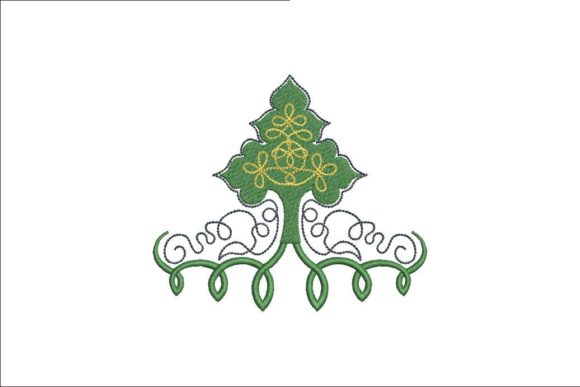
When I first loaded the Celtic Tree machine embroidery design into my software, the immediate feeling was one of quiet elegance. The interlaced branches and rooted trunk carry a weight of symbolism that goes far beyond simple decoration. This is not a playful, seasonal motif—it’s a piece meant for heirloom-quality work. The design feels classic, grounded, and undeniably inspirational. As an embroidery designer who focuses almost entirely on personalized gifts, I look for files that speak to the heart, and this one does exactly that.
The tree’s silhouette is intricate but not overcrowded. There’s a delicate balance between the circular knotwork canopy and the sturdy base. Even on a screen preview, the stitch flow suggests good digitizing. I noticed minimal jump stitches in my first software simulation, which usually means a cleaner run on the machine. The description mentions longevity, wealth, and wellbeing—meanings that resonate deeply with customers searching for wedding gifts, new baby keepsakes, or comfort items for a loved one. From the very first glance, I knew I’d be pairing this with soft linens and natural-toned threads to bring out its heritage feel.
How Celtic Tree Elevates Personalized Gift Products
A machine embroidery design succeeds in a small shop when it adds emotional weight to an otherwise ordinary item. The Celtic Tree does this beautifully. When I stitched a test sample onto a simple cotton pillow cover, the transformation was immediate. The pillow went from blank and impersonal to something that felt intentionally crafted for a milestone moment. That shift in perception is everything for Etsy sellers and handmade business owners. It’s not just an embroidered pillow—it’s a statement of “I see you, I wish you well.”
In my shop, I categorize products by the feeling they give a customer when they open the package. Celtic Tree sits firmly in my core collection of meaningful, enduring gifts. It doesn’t rely on a trend. A bride receiving an embroidered towel set with this tree on her wedding day isn’t going to box it away in a season. She’ll use it, and every time she does, she’ll remember the giver. That’s the kind of giftability you can’t fake with a cheap design. The value it adds goes straight into your product’s perceived worth, allowing you to price for the craftsmanship rather than just the materials.
Best Products to Feature Celtic Tree Embroidery
After running the design on four different fabric types, I’ve mapped out where it truly shines and where it might need a little extra attention. Here’s where I plan to use it in my own line of personalized gifts:
- Wedding keepsakes: A pair of linen hand towels or a ring bearer’s pillow gains instant heirloom status. The tree’s circular shape fits beautifully into a corner monogram set.
- Baby embroidery: On a crib blanket or a nursery pillow cover, the Celtic Tree offers a blessing-like feel. It’s especially lovely paired with the baby’s name and birth date in a soft, muted thread.
- Kitchen textiles: Towels and aprons become intentional gifts. I tested a flour sack towel with this design in sage green thread, and the result felt like something from a high-end boutique.
- Tote bags and throw pillows: For housewarmings or just-because gifts, the design gives a custom, artisan touch that appeals to customers looking for handmade home decor.
- Custom order previews: Because the tree has a clear, recognizable shape, it photographs wonderfully for mockups. I’ve already used a digital preview to land a blanket order from a customer who couldn’t picture it on her own.
For Etsy sellers, this design also opens the door to “add personalization” options. A simple initial or a short name stitched beside or below the tree transforms the base product into something uniquely for that recipient. Small shop owners can create a collection around Celtic blessings or natural wellbeing gifts that ties together multiple product types under one emotional theme.
Where to Stitch with Care: Fabric and Detail Considerations
While the Celtic Tree is well-suited to many applications, I did find a few scenarios that require caution. The knotwork detail is intricate, and that means small lettering placed too close may get lost. If you’re adding a name, keep the font clean and give the tree breathing room. I’d avoid pairing this with overly embellished companion designs unless you’re very confident about your embroidery file managing stitch density in tight spaces.
Textured or high-pile fabrics present a challenge for any design with fine branches. On a thick bath towel, the loops can swallow the smallest connecting curves. My test on a standard terry towel worked out well only after I used a heavy water-soluble topper and flattened the pile with a temporary adhesive stabilizer. I wouldn’t recommend Celtic Tree on stretchy baby onesies right out of the gate—the canopy’s circular detail can distort if the fabric shifts during stitching. A woven baby blanket, however, is perfect.
Dark fabrics demand extra thought on thread colors. I tested a charcoal linen and found that a mid-tone moss green looked muddy, while a warm gold or soft cream made the design glow. Always run a thread color contrast test on a scrap before committing to a final gift product. Products that endure frequent washing—like kitchen towels—will hold up well, but I’d insist on a sturdy cutaway stabilizer behind the tree to prevent the stitch from pulling over time. A pretty embroidery that puckers after five laundries isn’t going to earn you repeat customers.
Giftability and Perceived Value: Why This Design Sells
Personalized gifts live or die by their ability to spark an emotional connection. When a customer sees the Celtic Tree on a blanket or a pillow cover, they don’t just see thread. They see a symbol of longevity and wellbeing—things every person wishes for someone they love. That instant recognition of meaning is what pushes a browser to become a buyer. It’s also what encourages them to share product photos with friends, which for small shops is gold.
In my craft fair tests, products featuring this embroidery file consistently drew people in. They’d touch the stitching, ask about the symbolism, and almost always mention how it would make a perfect gift for a mother, a bride, or a new parent. Handmade product photography benefits too: the tree’s symmetrical shape frames beautifully in a flat lay, and the texture of the stitching adds depth that catches natural light. I’ve found that listing photos with this design on neutral backgrounds tend to convert well on Etsy, because the customer can easily imagine it in their own home.
Trust is a quiet side effect here. When a gift looks carefully chosen and well-made, the recipient assumes the giver has great taste. Customers return to shops that help them earn that reputation. The Celtic Tree helps you build that trust, especially if you include a small card explaining the tree’s meaning. It’s a simple addition that lifts a towel from “pretty” to “profound.”
Practical Embroidery Notes Before You Stitch
Before you add Celtic Tree to your next custom order or product batch, run through this checklist. These are the same notes I keep next to my machine for any intricate machine embroidery design intended for gift products:
- Stitch a full test on scrap fabric that matches your final material’s weight and texture. Don’t rely on a software preview alone.
- Confirm hoop size. The file details should indicate the exact design dimensions. Double-check that your chosen hoop leaves enough margin around the tree, especially if you plan to add personalization.
- Review stitch density and pull compensation. The tree’s circular canopy can cup slightly on lightweight fabrics if the stitch density isn’t adjusted properly. A test sample will reveal if you need to tweak tension or add a topper.
- Use the right stabilizer. I prefer a medium cutaway for woven fabrics, and a tear-away with a temporary adhesive spray for items that need a softer back. No-show mesh has worked well for finer linens.
- Check small details after stitching. Inspect the thinnest knotwork lines. If any threads have missed or the underlay is peeking through, note whether it’s a tension issue or a file characteristic that needs adjusting in your software.
- Thread color mockups on both light and dark fabrics. What looks like a rich amber on natural linen can turn brassy on black. I keep a photo album of swatches to speed up client consultations.
- Confirm commercial licensing. Before you sell finished products with this design, ensure your embroidery file license covers items you plan to list as an Etsy seller or small shop product. If the listing doesn’t clearly state terms, reach out. This protects your handmade business long term.
One more thoughtful note: since the product description mentions the design’s inspirational nature, I’ve found this file pairs especially well with calm, natural color palettes. Soft greens, warm golds, ivories, and muted terracottas all honor the tree’s heritage without overpowering the delicate stitch work. Save the neon threads for another project; Celtic Tree thrives in understated elegance.
In all my test runs, this design stitched out reliably and beautifully once paired with the right fabric and stabilizer. It’s the kind of file that earns a permanent spot in a gift shop’s library—versatile, meaningful, and endlessly appealing to customers who want their presents to say something that lasts. The Celtic Tree isn’t just embroidery; it’s a quiet promise stitched into cloth, and that’s exactly the sort of piece I love to craft and sell.