Bigfoot with Tree Design Review for Branded Merch
First Impression: A Playful Holiday Icon Ready for Business
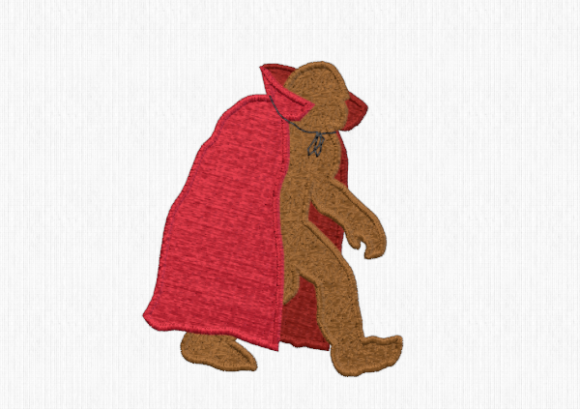
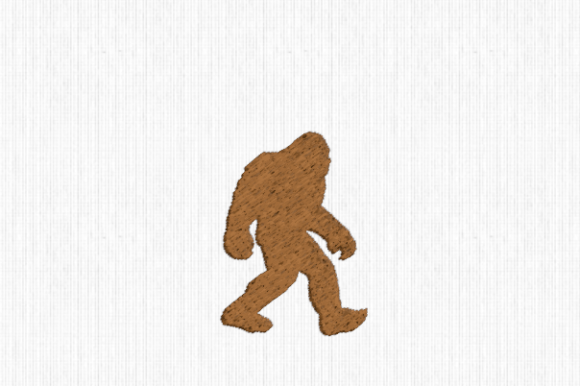
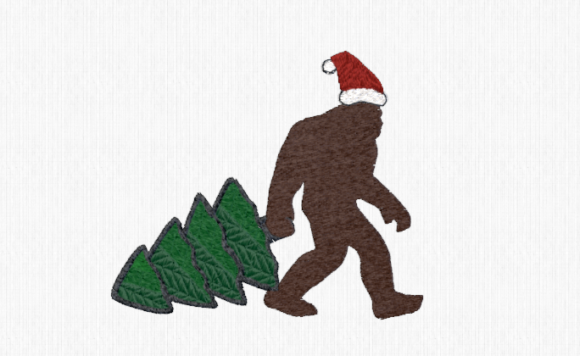
The moment you see Bigfoot with Tree in a stitchout, it becomes clear this is not just another wild animal embroidery file—it’s a personality piece. Bigfoot carries a Christmas tree, shifting what could be a simple cryptic creature outline into a friendly, rustic, and decidedly festive character. The design feels immediately approachable, with a handcrafted charm that mirrors the aesthetic many small cafés, bakeries, boutique shops, and outdoor brands want in their seasonal lineup. As an embroidery designer, I look for designs that can live on merchandise without feeling like a cheap novelty, and this one threads that needle well. The whimsical concept gives it emotional recall, the kind of image a customer smiles at and then associates with your brand’s sense of humor and warmth.
The styling reads as bold and slightly textured, perfect for a patch or a standalone chest accent. There is no overcomplicated background, which is a genuine advantage when transferring the art onto custom apparel or woven caps. The simplicity helps brand identity stay front and center. Whether you run a small embroidery shop producing gifts or a handmade soap company wanting limited-run merchandise, Bigfoot with Tree offers a strong narrative anchor. It says “myth, adventure, holiday spirit” in a single glance—no extra text required.
Embroidered Patches: The Brand Builder’s Secret Weapon
A well-made embroidered patch using this design becomes more than decoration; it turns into a collectible, a sticker alternative that lasts. For Etsy sellers, creating small batch patches from Bigfoot with Tree and sewing them onto beanie hats, denim jackets, or tote bags instantly upgrades a handmade product line. The legendary character theme marries perfectly with the rising demand for cryptid and outdoor narrative merch. From a production standpoint, keep an eye on the stitch density around the tree branches and Bigfoot’s outline. A dense, solid fill can make the patch curl if the underlay isn’t adjusted, so plan your stabilizer choice and edge finishing (merrow or satin) accordingly.
Staff Uniforms, Aprons, and Caps: Subtle Storytelling
For a small family-run coffee shop or a rustic bakery, Bigfoot with Tree placed as a left-chest accent on a twill apron instantly softens the brand voice. It works especially well on denim or canvas aprons where the fabric texture adds to the vintage, forest lodge feel. When applying to cap embroidery, always test the sew‑out on a curved surface first. The design’s width and the Christmas tree silhouette must be scaled carefully to avoid distortion on the front panel. I recommend reducing the size no smaller than 2.2 inches wide to keep facial details and tree needles readable. On uniforms, pairing this design with a small brand wordmark underneath in a serif or block font creates a polished, branded merchandise system that employees are proud to wear.
Tote Bag Design and Product Packaging Accents
Canvas tote bags are a high-margin staple for many craft businesses. Embroidering Bigfoot with Tree onto the bottom corner of a natural cotton tote gives your customers a reusable bag that feels like a gift. For product packaging, consider stitching the design onto small fabric labels or hang tags. A tiny embroidered tag sewn onto a handmade candle or soap bundle transforms the unboxing experience. Since the design includes a Christmas tree, it naturally extends into holiday customer gifts and limited edition packaging during the winter months. This seasonal versatility, however, means you should evaluate whether Bigfoot with Tree can be used year-round or if it fits best as a festive-only asset. For many, the tree is evergreen enough to justify a permanent collection.
Event Merch, Craft Fair Booths, and Etsy Branding
Pop-up markets and craft fairs thrive on memorable visuals. A booth filled with consistent embroidered patch applications, caps, and zippered pouches all carrying the same Bigfoot motif builds instant recognition. As an embroidery designer, I advise creating a cohesive series: maybe Bigfoot with Tree as the hero design, supported by companion pine trees or mountain silhouettes. This turns your design assets into a branded collection, increasing average order value. Etsy product photos also benefit significantly from printable mockups that showcase the stitchout on folded shirts or cap fronts, so you can start selling before all physical samples exist.
Thread Color Contrast and Visual Readability
The contrast between the Bigfoot silhouette and the tree will likely rely on a few well-chosen thread colors. Always do a test stitch in greyscale before committing to a production run. I often print the design in black and white to see if the separation holds. If the tree is a solid green block and Bigfoot dark brown, there must be enough breathing room—usually a thin outline or voided gaps—to prevent the shapes from blending at smaller scales. Check the description for any supplied color chart recommendations; if absent, plan your own palette around earthy tones plus a pop of red or gold for the tree, which instantly signals holiday without over-embellishing.
Small Patch Size and Curved Surface Performance
Not every embroidery design scales down gracefully. With Bigfoot with Tree, the fine details like the tree’s branches and Bigfoot’s fur texture need careful testing at the intended patch size. I always produce a sew‑out at 50%, 75%, and full size on the actual fabric intended for sale. For patches under 3 inches, you may need to simplify tiny elements; the design’s original stitch density plays a major role here. On caps, the design can be digitized with a slight vertical warp to compensate for the crown curve. If your embroidery file includes various formats like .dst or .pes, make sure to test each on your machine—no two hoops behave identically.
Hoop Size, Stabilizer, and Fabric Texture Matching
Before purchasing any digital embroidery file, confirm the required hoop size fits your equipment. Even if the design is compatible, a densely stitched tree trunk on a lightweight T‑shirt might pucker without cutaway stabilizer and a topper on plush fabric texture. For thick towel applications, a water-soluble topping prevents stitches from sinking. The same meticulous approach applies when sewing onto waterproof or leather-look materials—tests are not optional. If you intend to use this for handmade product lines like embroidered journals or cork patches, non-traditional surfaces demand thread tension adjustments and needle swaps.
How Bigfoot with Tree Shapes Brand Identity and Customer Trust
Embroidered imagery acts as a silent ambassador for your small business. A design like Bigfoot with Tree immediately injects personality into otherwise generic merchandise. A coffee shop that sells embroidered trucker hats featuring this design signals that they care about unique, playful details. This breeds customer trust—when buyers see intentional embroidery, they perceive higher product value. Consistency matters too. Using the same Bigfoot design across aprons, gift cards, and thank-you cards creates visual repetition that makes your brand memorable. The handcrafted feel of the tree adds warmth without sacrificing professionalism; it leans into the “rough luxury” aesthetic many modern brands want.
A bakery could rename a seasonal pastry after the character, while the staff wears the patch on flannel shirts. Suddenly, Bigfoot with Tree is not just a decoration—it becomes part of the brand story. This level of integration is what separates generic clip‑art impressions from intentional brand identity building. However, careful placement is essential. Too large on a fitted cap and it looks costume‑like; too small on a denim jacket and it loses impact. Test placement on real garments, photograph them from customer distance, and adjust scale until the design feels like a thoughtful branding element, not a forced add‑on.
Where to Use the Design Carefully—And Where to Pause
- Small patch sizes: Avoid shrinking Bigfoot with Tree below 1.5 inches unless the digitizer has provided a simplified version. The Christmas tree detail may become muddy.
- Cap fronts: Use a cap frame and adjust the design’s vertical dimension to correct for the natural arc.
- Dark uniforms: On black or navy fleece, lighter thread colors for the tree may need extra density or a white underlay to pop.
- Frequent wash items: Work jackets or aprons that see industrial laundering require polyester thread and a secure lock stitch to prevent thread breaks.
- High‑stitch‑density areas: If the tree trunk is digitized with heavy fill, test on performance fabrics since excessive perforation weakens the material.
Practical Embroidery Designer Notes for Small Business Owners
Before you hit “produce,” run through a checklist that I live by. First, test Bigfoot with Tree in black and white on paper. If the image still reads as a figure carrying a tree, you have strong silhouette design—critical for one‑color patches. Next, sew out the design on the exact fabric you will sell. A design that looks flawless on cotton twill might lose integrity on loosely woven linen. I always create a printable mockup to present to clients or use in Etsy listings, even before the final stitchout. This sets expectations and often leads to pre‑orders while you refine production.
Review the thread color count. A minimal palette (five or fewer colors) speeds up production and reduces thread break risk. Contrast the background fabric: a brown Bigfoot on a camo print might disappear entirely. Split tension tests on the hoop size you intend to use; if the design file fits a 4x4 hoop but you only have larger hoops, you may still need to adjust positioning. Check the provided embroidery file for a basting box or placement stitch, which helps on tricky items like sleeves or little zippered pouches. Also, confirm commercial embroidery rights if you will sell patches or branded products. The listing says This machine embroidery design comes with—so verify what’s included regarding formats, color sequences, and license information directly with the seller before you incorporate Bigfoot with Tree into a major product line.
If you plan to offer this design as part of a small business merch bundle, test it alongside other design assets like text or borders. Does it pair well with an established logo? Does it feel coherent? I often encourage owners to create a style guide sheet that shows the design on a cap, a tote, and an apron so that the finished product family looks intentional.
Real Scenario: From Apron Detail to Brand Signature
Picture a micro‑roastery in the Pacific Northwest. They sell whole‑bean coffee at farmers markets. The barista wears a canvas apron with Bigfoot with Tree embroidered on the top right chest, small and subtle. Customers notice it, smile, and ask about the character. Soon the roastery produces fleece‑lined patch beanies featuring the same design as a removable embroidered patch. Each purchase of a subscription gets a free patch. The Bigfoot icon becomes synonymous with the brand’s outdoor, adventurous ethos. This is how embroidery becomes a branding asset, not just thread on fabric.
For handmade candle businesses, a tiny version of Bigfoot with Tree on a linen scent sachet elevates the product from simple home goods to a story‑driven gift. In every case, the design’s playful, legendary character invites conversation—and conversation is the currency of small business growth. The Christmas tree element adds seasonal flexibility without forcing a complete holiday rebrand. You can simply increase the red thread and seasonal packaging in November, while the design stays relevant all year as a quirky wilderness emblem.
Final Validation Before Commercial Use
Every seasoned embroidery designer will tell you: even the most charming machine embroidery design deserves a measured go‑to‑market approach. With Bigfoot with Tree, you are not just buying a file; you are adopting a character for your brand’s visual narrative. Validate actual stitch count, confirm hoop size compatibility, and produce at least three finished patches on different backings before listing them. Monitor the wash test: a 20‑cycle wash on a cap with the design will reveal any underlying issues with thread tension or underlay. If the design passes all this, you have a remarkably versatile digital embroidery file that can work across apron embroidery, caps, totes, and more.
This Wild Animals categorized design brings more than a wilderness vibe—it brings personality that customers connect with. For Embroidery pros and small brand owners alike, Bigfoot with Tree checks the boxes of visual charm, business adaptability, and memorable branding potential. Use it thoughtfully, test thoroughly, and watch a cryptid with a Christmas tree become your most recognizable brand emblem.